Ants can be a persistent problem for beekeepers. These tiny insects are attracted to the delicious resources found in beehives, like honey, pollen and protein. Even spilled syrup can attract them.
Strong bee colonies with a good population of worker bees can effectively defend their hive against ant invasions. However, weaker colonies may struggle to do so. This is why it's important for beekeepers to consider colony population and food resources during inspections. If a hive has a small population and a lot of resources, the bees cannot protect everything within the hive. In these cases, you might find ants inside the hive.
Here are some key points to remember:
- Ants need to climb to reach the hive.
- Limiting the entry points into the hive will allow weaker colonies to set up better defences against attackers.
There are several steps beekeepers can take to prevent ant infestations:
- Maintain a Strong Colony: Achieve this by transferring capped brood frames into weaker hives.
- Elevated Hive Stands: Placing hives on a stand makes it harder for ants to reach.
- Grease on Hive Stand Legs: Vaseline can be used but bearing grease just as effective, and it’s cheaper.
- Moats: Isolate either the hive or the hive stand within a container filled with water or engine oil to effectively create a barrier that ants cannot cross. However, keep mind the fact that water evaporates and oil will float out during rainy periods.
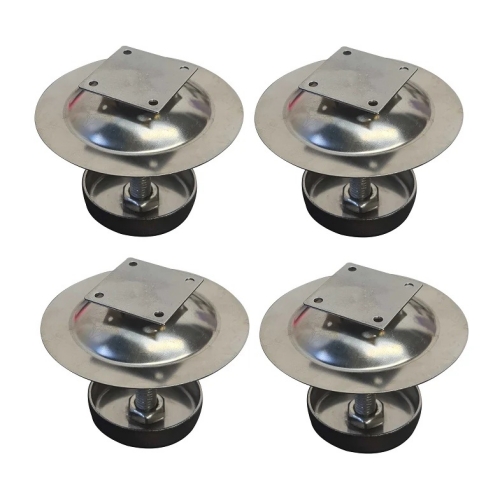
- Commercial Ant Barriers: Purpose built moats are available, for water and oil are available (see below).
- Clean Hive Surrounds: Keep immediate area free of long grass as bees climb grass straw ladders. Regularly clean the immediate area to reduce ant cubby holes. Remove dead bees which attract protein seeking ants.
- Limit Syrup Feeding: While helpful during low nectar flow, prolonged syrup feeding can attract more ants than bees.
By implementing these strategies, you can help your bee colony thrive and keep those pesky ants at bay!