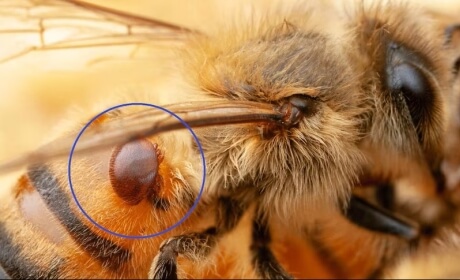
Varroa destructor is now part of beekeeping across most of Australia. Since the response shifted from eradication to management, keeping a colony alive really comes down to three habits: monitor your mite levels, treat at the right time with permitted products, and check afterwards that it worked. This guide walks you through each step — with the Australian doses, timings and the gear we'd reach for, not overseas label rates.
Read Blog
Twelve practical tips for lighting a bee smoker, choosing fuel and using cool smoke so your bees stay calm during hive inspections.
Read Blog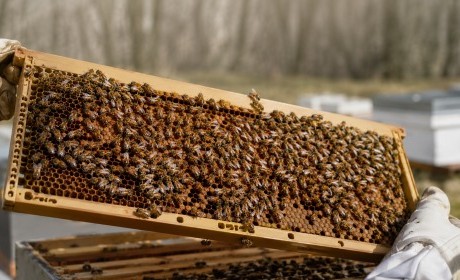
Can't find the Queen? You're trying to pick one bee out of tens of thousands — and she's hiding. Here's how to spot HRH faster, read the bees around her, and confirm a Queenright hive even when she won't show herself.
Read Blog
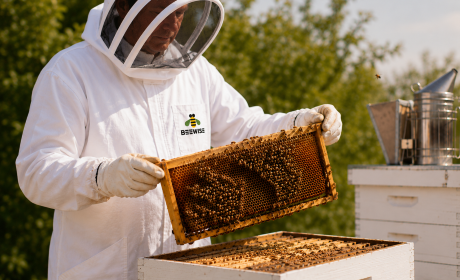
A Queenless hive rarely sorts itself out — it just quietly fades. The trick is catching it early. Here are the six signs that tell you your colony has lost its Queen, what each one really means, and the two ways to bring the hive back from the brink.
Read Blog
ABDOMEN The posterior or third region of the body of the bee that encloses the honey stomach, stomach, intestines, sting and the reproductive organs.
Read Blog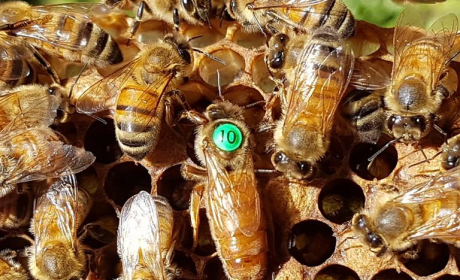
Believe it or not, Queen and worker larvae start the exact same way. Most female bees become workers, which are generally sterile. Only a tiny percentage of female larvae become Queen bees, which are the sole reproductive beings in their colonies.
Read Blog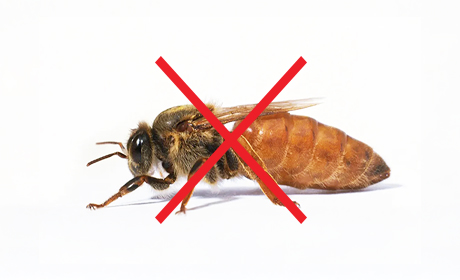
Everyone’s heard of the Queen bee and how important she is. A Queen is responsible for laying eggs and maintaining her colony’s population levels. Due to her level of importance, losing a Queen is one of the most common ways to lose a colony.
Read Blog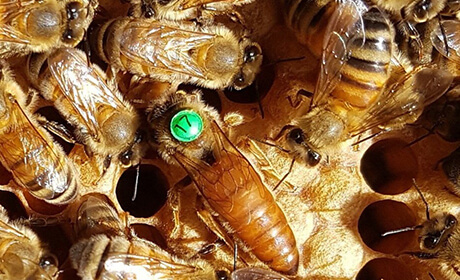
The queen regulates hive behaviour and produces eggs to maintain the colony’s population. She can live for a year or more, whereas the worker bees have life spans as short as five weeks, for they are, well, busy bees, constructing combs, feeding and caring for the brood and queen, cleaning and guarding the hive, regulating nest temperature, foraging for nectar, pollen and water.
Read Blog
Want to reduce plastic waste in your kitchen? Learn how to make homemade beeswax wraps to store food instead! They are reusable, non-toxic, biodegradable, and really easy to make.
Read Blog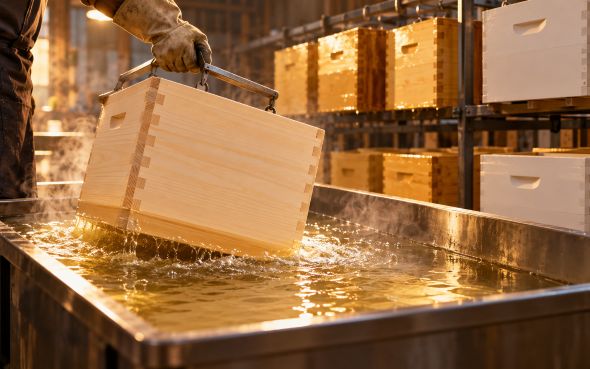
How hot-wax dipping protects beehive timber from the inside, how it compares with painted-only boxes and how to make your hive woodware last longer.
Read Blog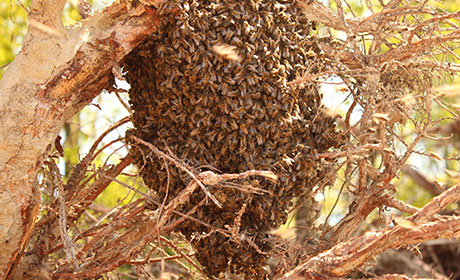
How to set a swarm trap and collect a settled swarm — box size, lure, placement, and what to do once the bees move in.
Read Blog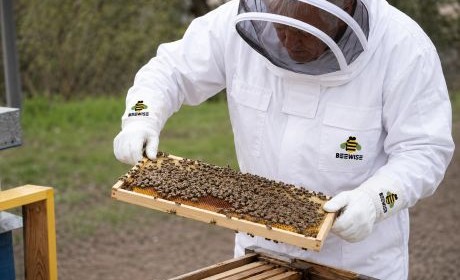
How to install a Nuc into a full-depth hive — what to prepare, moving the frames, feeding, and the first inspection. A practical guide for Australian beekeepers.
Read Blog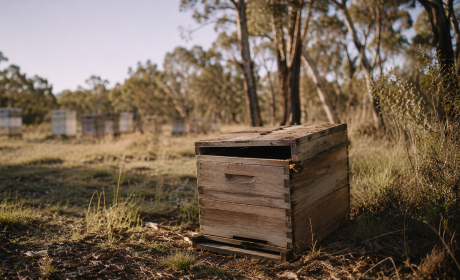
Found a dead beehive in your apiary? What you do next depends entirely on what killed it. Here's how to salvage what's worth saving and safely deal with the rest.
Read Blog
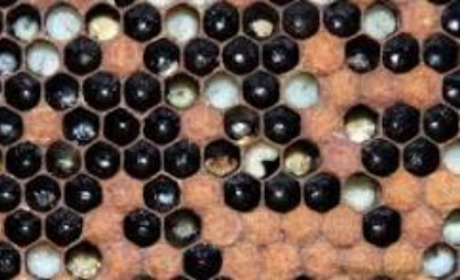
Part of being a successful beekeeper is learning how to identify, prevent, and treat a wide range of diseases. Honey bees face many threats from viruses, parasites, and other disease-spreading organisms.
Read Blog
The Demaree method is a well-tested and useful method of swarm control as it prevents the loss of the swarm without increasing colony numbers.
Read Blog
American foulbrood American foulbrood (AFB) is a fatal bacterial disease of honey bee brood caused by the spore forming bacterium Paenibacillus larvae. It is not a stress related disease and can infect the strongest to the weakest colony in an apiary. Infected brood usually die at the pre-pupal or pupal stage.
Read Blog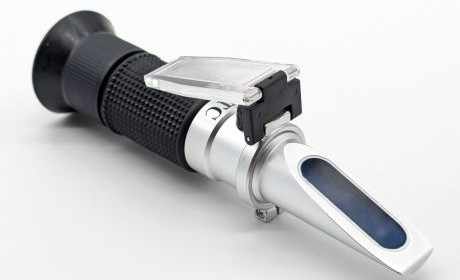
A refractometer measures the degree that light, passing through a solution, is refracted (bent). The amount light is refracted depends on the concentration of water in the honey being measured.
Read Blog
In an environment riddled with various threats to healthy beehives, it’s easy to overlook one of the most troublesome pests—the wax moths. These pests might seem harmless, but they can wreak havoc if left to roam unchecked.
Read Blog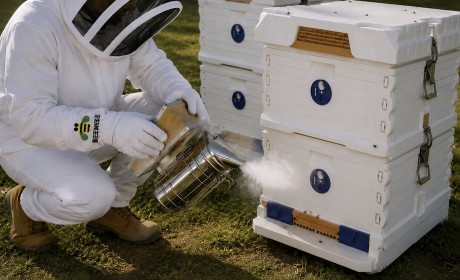
A bee smoker is the single most useful tool for keeping calm, controlled hives. A few puffs of cool smoke before you open up, and the colony settles — making the inspection safer for you and gentler on the bees. This guide covers the lot: why smoke works, how to choose and light a smoker, the best fuel, how to use it during an inspection, and how to do it safely (which matters a great deal in an Australian summer).
Read Blog
Clean Gloves - Crucial to ensure your safety and hive hygiene. Beekeeping gloves are one of the essential pieces of protective gear for anyone working around a beehive. They protect your hands and arms from stings and provide an excellent grip when handling hive equipment.
Read Blog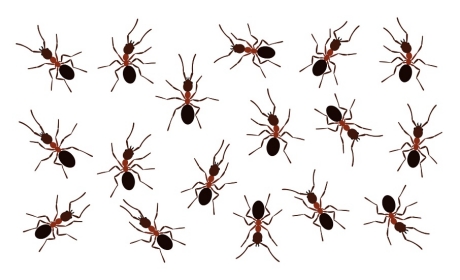
Ants can be a persistent problem for beekeepers. These tiny insects are attracted to the delicious resources found in beehives, like honey, pollen and protein. Even spilled syrup can attract them.
Read Blog
No one wants to find beetles in their home, including your bees. A hive beetle infestation can prove disastrous for your colony. It’s important to keep your colony strong so they can ward off these pests or diseases that threaten the hive.
Read Blog
On average, 20% of unmanaged bee colonies may die during winter. In managed hives this figure can vary from around 5% to 100%, depending on the measures taken in autumn to prepare for winter.
Read Blog
After a long, cold winter your bees are looking forward to spring which is a period intense activity for bees. Egg-laying, brood-raising, and nectar-gathering all start to ramp up after being almost dormant during winter.
Read Blog