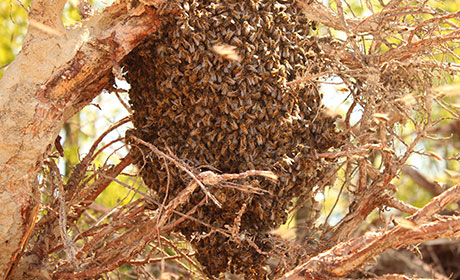
Swarm Traps: How to Catch a Swarm of Bees
How to set a swarm trap and collect a settled swarm — box size, lure, placement, and what to do once the bees move in.
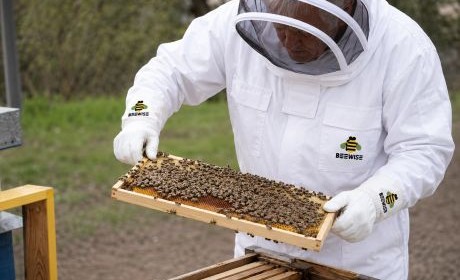
How to Install a Nuc: Step-by-Step Nucleus Hive Guide
How to install a Nuc into a full-depth hive — what to prepare, moving the frames, feeding, and the first inspection. A practical guide for Australian beekeepers.
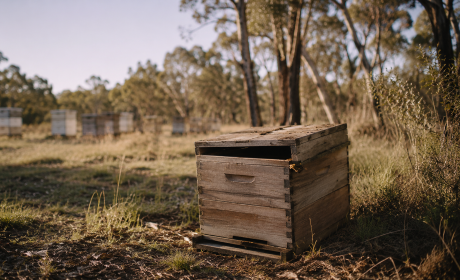
What to Do With a Dead Beehive: Handling a Dead-Out and Saving What You Can
Found a dead beehive in your apiary? What you do next depends entirely on what killed it. Here's how to salvage what's worth saving and safely deal with the rest.
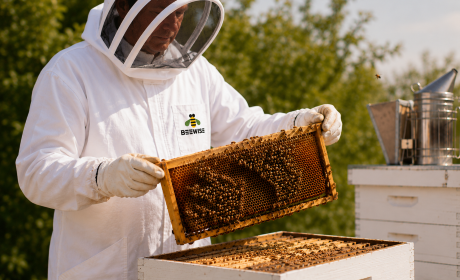
Is Your Hive Queenright? How to Spot a Queenless Colony Before It Collapses
A Queenless hive rarely sorts itself out — it just quietly fades. The trick is catching it early. Here are the six signs that tell you your colony has lost its Queen, what each one really means, and the two ways to bring the hive back from the brink.
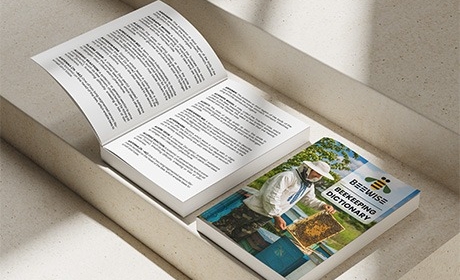
Beekeeping Glossary
ABDOMEN The posterior or third region of the body of the bee that encloses the honey stomach, stomach, intestines, sting and the reproductive organs.
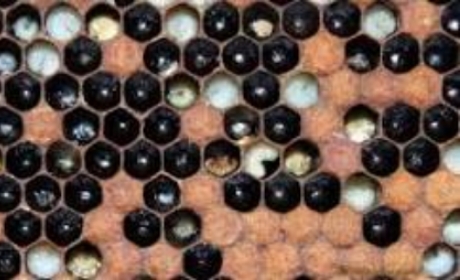
How To Treat European Foulbrood in Honey Bees
Part of being a successful beekeeper is learning how to identify, prevent, and treat a wide range of diseases. Honey bees face many threats from viruses, parasites, and other disease-spreading organisms.
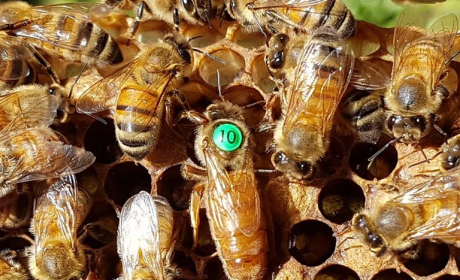
Relationship between Royal Jelly & Queen Bees
Believe it or not, Queen and worker larvae start the exact same way. Most female bees become workers, which are generally sterile. Only a tiny percentage of female larvae become Queen bees, which are the sole reproductive beings in their colonies.
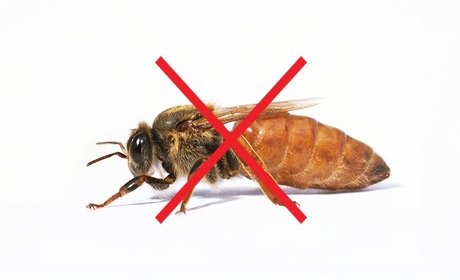
Is your Hive Queen-Less?
Everyone’s heard of the Queen bee and how important she is. A Queen is responsible for laying eggs and maintaining her colony’s population levels. Due to her level of importance, losing a Queen is one of the most common ways to lose a colony.
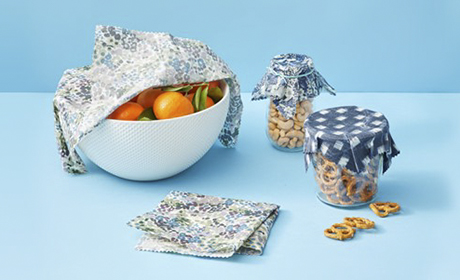
DIY Beeswax Wraps (Reusable Food Wraps)
Want to reduce plastic waste in your kitchen? Learn how to make homemade beeswax wraps to store food instead! They are reusable, non-toxic, biodegradable, and really easy to make.
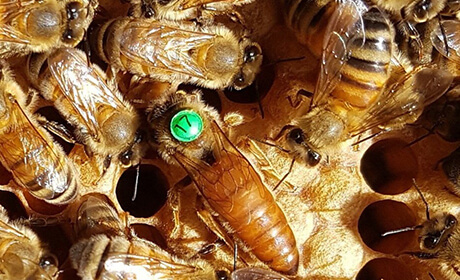
HRH The Queen
The queen regulates hive behaviour and produces eggs to maintain the colony’s population. She can live for a year or more, whereas the worker bees have life spans as short as five weeks, for they are, well, busy bees, constructing combs, feeding and caring for the brood and queen, cleaning and guarding the hive, regulating nest temperature, foraging for nectar, pollen and water.